
Home >
The management of industrial wastewater is undergoing a significant shift as traditional chemical and biological treatments struggle with increasingly complex pollutants and emerging residuals. We integrate leading technologies into custom-fit multi-stage treatment process that are effective and energy efficient for our clients.
Non-thermal plasma (NPT) is an energy-efficient and environmentally friendly approach that utilises electric discharges to generate highly reactive radical species such as oxygen radical (·O) and hydroxyl radical (·OH), etc. This unique state enables NTP to efficiently break down complex organic compounds, remove heavy metals, and disinfect wastewater without excessive chemical usage.
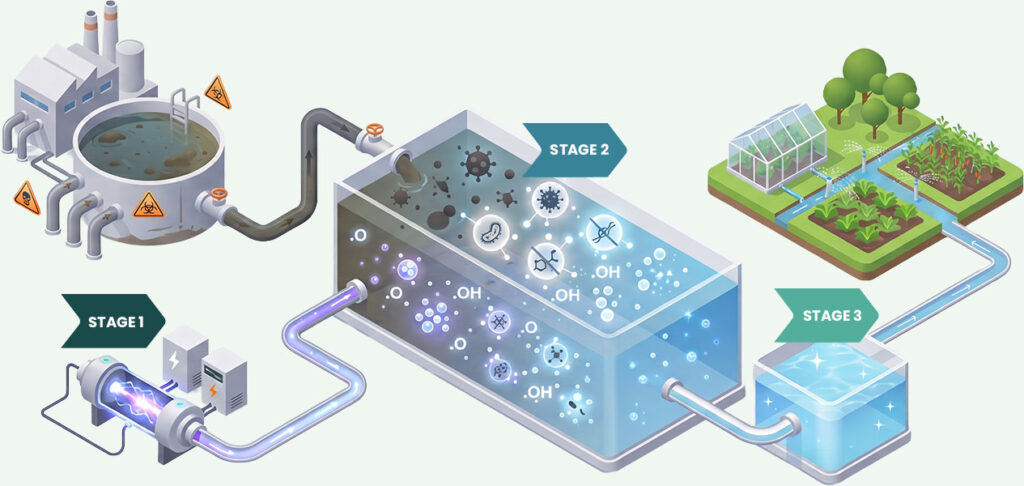

The use of Nanobubble plays a critical role in the delivery and destruction of toxins and organic compounds. In standard Advanced Oxidation Processes (AOPs), ozone or oxygen is bubbled into water using microbubble, which rise and escape quickly, wasting energy.
Feature
Plasma-Nanobubble (PNB) ★ ★ ★ ★ ★
Membrane Filtration (RO/UF) ★ ★ ★
Conventional (Biological/Chemical) ★
Primary Mechanism
Plasma-Nanobubble (PNB)

Advanced Oxidation (AOP) via ROS and physical cavitation
Membrane Filtration (RO/UF)

Physical barrier/separation
Conventional (Biological/Chemical)

Bacterial degradation or chemical precipitation
Chemical Usage
Plasma-Nanobubble (PNB)
Minimal to Zero
Membrane Filtration (RO/UF)
Moderate
(cleaning agents)
Conventional (Biological/Chemical)

High
(flocculants, disinfectants)
Secondary Waste
Plasma-Nanobubble (PNB)
Negligible
(mineralisation to CO2 and H2O)
Membrane Filtration (RO/UF)
Concentrated brine/retentate
Conventional (Biological/Chemical)
High
(flocculants, disinfectants)
Footprint
Plasma-Nanobubble (PNB)
Compact/Modular
Membrane Filtration (RO/UF)
Moderate
Conventional (Biological/Chemical)
Large
(settling tanks, bioreactors)
Energy Efficiency
Plasma-Nanobubble (PNB)
High
(targeted radical delivery)
Membrane Filtration (RO/UF)

High
(pumping pressure)
Conventional (Biological/Chemical)
Low
(high aeration costs)

Nanobubbles (<200nm) stay suspended in water for weeks due to their low buoyancy and high internal pressure, ensuring that the reactive species generated by the plasma have maximum contact time with pollutants.
Reactive Oxygen and radicals act directly from the surrounding water. This destroys recalcitrant organic pollutants (like phenol, pesticides, dyes) without adding harmful chemicals.

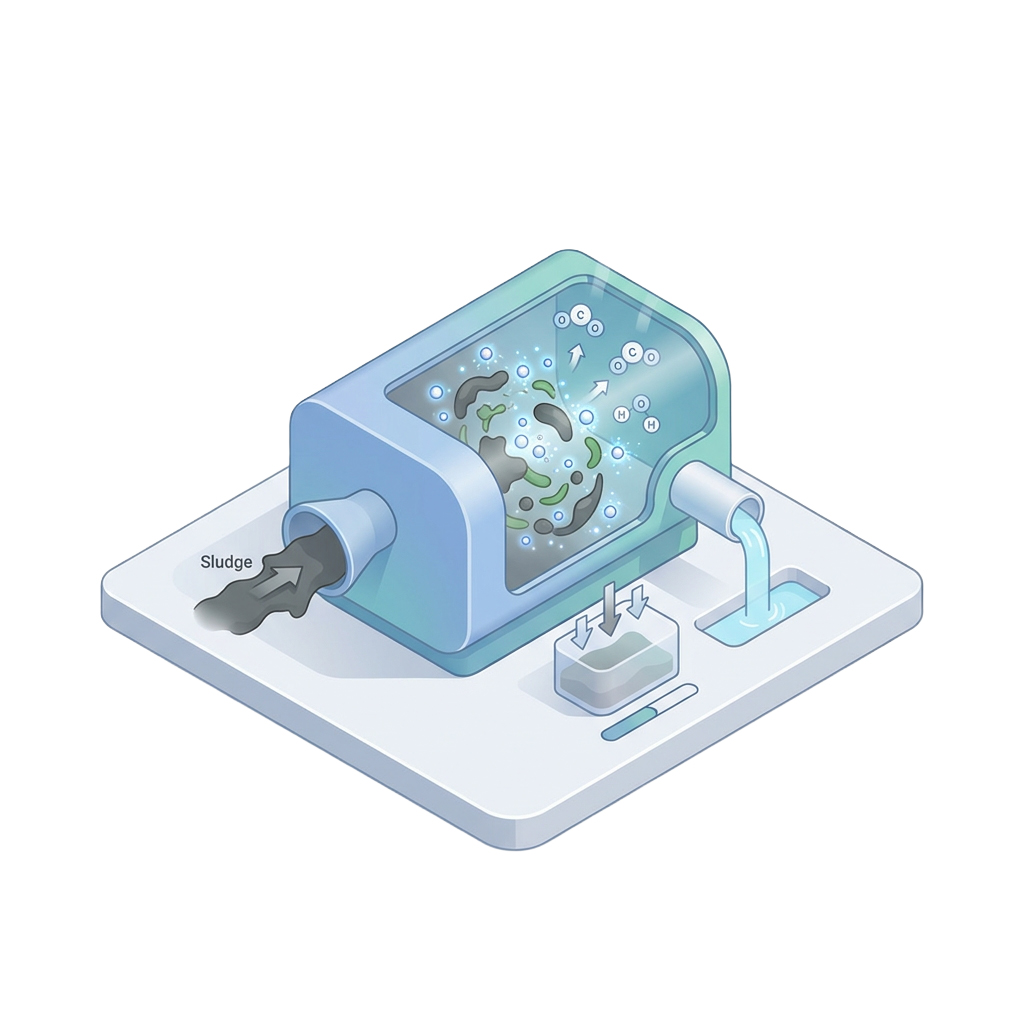
Plasma-Nanobubble Technology mineralises organic contaminants into harmless byproducts (like CO2 and H2O), significantly reducing the solid waste footprint.
Everything you need to know
Plasma-Nanobubble Technology, also known as PNB Technology, is an advanced wastewater treatment approach that combines non-thermal plasma with nanobubble technology. Non-thermal plasma generates highly reactive oxidants, while nanobubbles improve the delivery and contact time of these oxidants in water. Together, they help break down complex organic pollutants, reduce chemical dependency, and support more sustainable industrial wastewater treatment.
SG Enviro’s Plasma-Nanobubble process works by generating plasma-active gas, dissolving it into nanobubbles, and creating reactive oxidants through an Advanced Oxidation Process. These oxidants then interact with pollutants in wastewater, supporting oxidation, disinfection, and degradation of difficult contaminants. This process is especially useful for industries dealing with complex wastewater that may not respond well to conventional biological or chemical treatment.
Nanobubbles are important because they stay suspended in water much longer than normal macro-bubbles. This improves gas transfer, increases contact time with pollutants, and helps deliver reactive oxidants more efficiently. Their small size, high internal pressure, and long-lasting stability make them useful for advanced water and wastewater treatment applications.
Non-thermal plasma is an energy-efficient oxidation technology that uses electrical discharge to generate reactive species such as oxygen radicals and hydroxyl radicals. These reactive species can help degrade organic compounds, disinfect wastewater, and support the removal of difficult pollutants without relying heavily on traditional chemicals.
Conventional wastewater treatment often depends on biological degradation, chemical precipitation, flocculants, disinfectants, and large treatment tanks. Plasma-Nanobubble Technology uses advanced oxidation, reactive oxidants, and physical cavitation to target pollutants more directly. This can reduce chemical usage, lower sludge generation, and allow a more compact and modular system design.
Plasma-Nanobubble Technology can significantly reduce the need for added treatment chemicals because it generates reactive oxidants from air or water. In many applications, this supports minimal-to-zero chemical usage compared with conventional methods that rely on flocculants, disinfectants, or heavy chemical dosing. Final chemical requirements may still depend on the wastewater composition and discharge standards.
Yes. Plasma-Nanobubble Technology can help reduce sludge by breaking down organic contaminants through oxidation instead of mainly transferring pollutants into sludge. This supports a cleaner treatment process and can reduce the amount of secondary waste that needs handling, disposal, or further treatment.
Plasma-Nanobubble Technology is suitable for challenging industrial wastewater containing complex organic compounds, colourants, odour-causing compounds, pharmaceutical residues, and other recalcitrant pollutants. It can also support disinfection and degradation of difficult contaminants. Actual treatment performance should be validated through wastewater testing and process design.
Plasma-Nanobubble Technology is relevant for difficult pollutants such as PFAS-related streams, dyes, and pharmaceutical residues because it uses advanced oxidation and reactive species to attack strong chemical bonds. However, performance depends on the specific contaminant profile, concentration, wastewater chemistry, and treatment objective. A lab test or pilot study is recommended before full-scale implementation.
Plasma-Nanobubble Technology supports sustainability by reducing chemical dependency, lowering sludge generation, improving treatment efficiency, and enabling more compact system design. For industrial operators, this can support ESG goals, cleaner operations, and better resource efficiency compared with treatment approaches that rely heavily on chemical dosing or large physical infrastructure.
Yes. Plasma-Nanobubble Technology can support ESG targets by helping companies reduce chemical usage, minimise secondary waste, improve wastewater treatment efficiency, and support cleaner discharge or water reuse strategies. This is especially relevant for manufacturing, pharmaceutical, semiconductor, food, textile, oil and gas, and other industrial sectors with stricter environmental requirements.
Plasma-Nanobubble Technology is designed to improve energy efficiency by delivering reactive oxidants more directly to pollutants through nanobubbles. Compared with conventional systems that may require high aeration, large settling tanks, or repeated chemical dosing, PNB systems can offer a more targeted and compact treatment approach. Final energy performance depends on system design, wastewater load, and treatment goals.
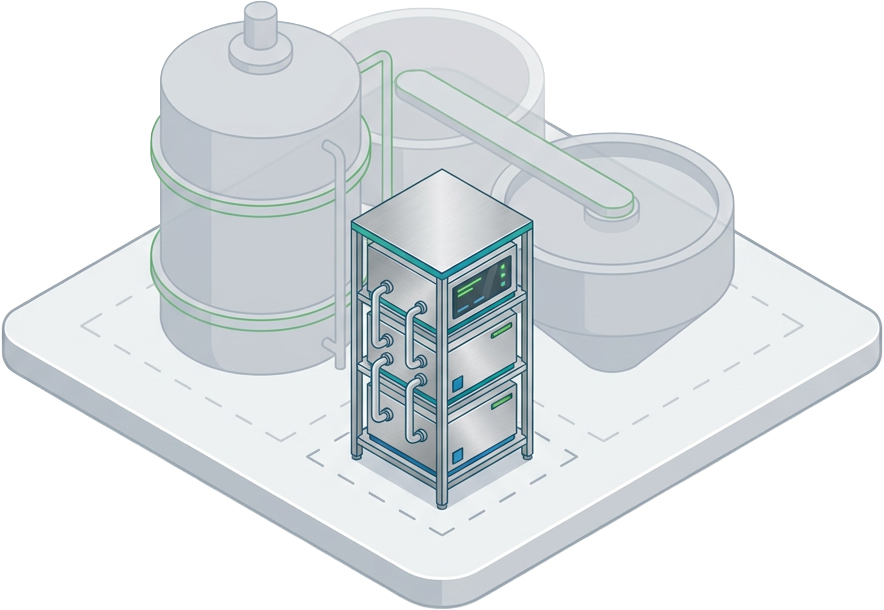
Yes. Plasma-Nanobubble systems can be designed as compact and modular units, making them suitable for integration into existing wastewater treatment infrastructure. This allows companies to upgrade treatment performance without always requiring a complete replacement of their current wastewater treatment plant.
SG Enviro provides customised industrial wastewater treatment solutions using an Engineering, Procurement and Construction approach. Its Plasma-Nanobubble and Non-Thermal Plasma technologies are positioned for industrial-scale applications in Singapore and Southeast Asia, helping clients address complex wastewater challenges while working toward sustainability and compliance goals.
Yes. By improving the treatment of industrial wastewater, Plasma-Nanobubble Technology can support broader water recycling and reuse objectives. Treated industrial water can be reused for selected applications depending on treatment quality, regulatory requirements, and process needs. PUB Singapore also highlights industrial wastewater recycling and reuse for applications such as cooling tower feed, boiler feed supplement, material washing, irrigation, and toilet flushing when properly treated.
Co. Reg. No. 201831895H
8 Admiralty Street, Admirax #04-13/14, Singapore 757438
Email: info@sg-enviro.com
Phone: +65 6877 4370
Follow up on
2026 © SG Enviro Pte Ltd. All rights reserved.